Key Points to Verify Before Your Dubai Desert Buggy Trip
What to look into before you book a Dubai buggy experience
Riding a dune buggy across the red sand of the Dubai desert sounds like a straightforward thrill. You show up, hop in, and go. But the reality is that the experience depends heavily on a handful of choices you make beforehand. The vehicle, the route, the safety gear, and the operator's practices all shape whether you spend an hour grinning or an afternoon wishing you had picked a different option. Below are the points worth checking before you commit to a trip.
Vehicle condition and type
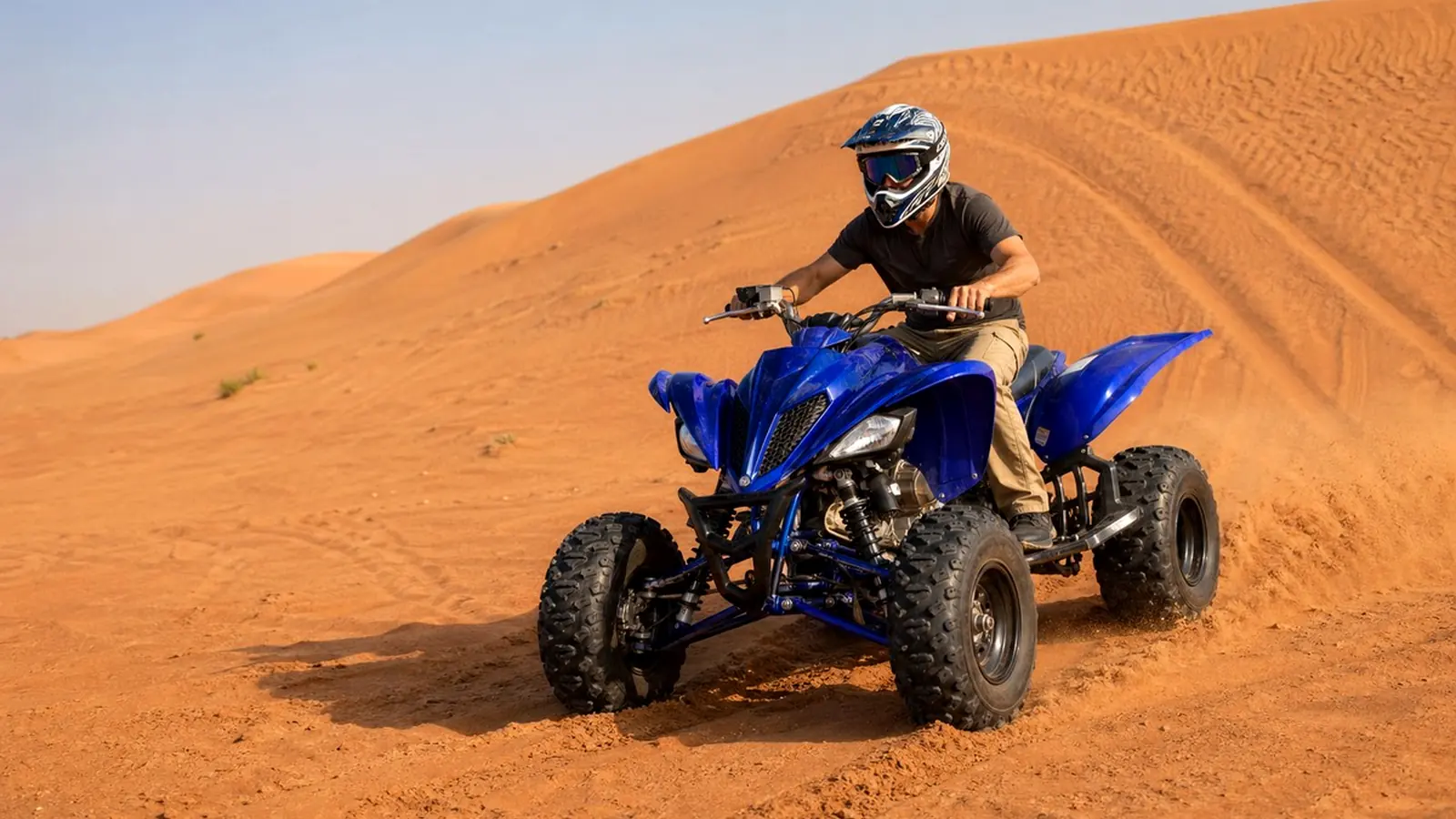
Not all buggies are built the same. Some are single-seat machines built for speed; others are two-seaters designed for sharing the ride. The age of the vehicle matters too. A well-maintained buggy with a recent service history will handle the dunes more reliably than one that has been running for years without proper checks. Ask what model you will be driving and whether it is a rental fleet vehicle or a newer unit. A responsible operator should be able to tell you when the buggy was last serviced and what kind of terrain it is set up for. If you have a preference for automatic or manual transmission, confirm that in advance. The difference can affect how comfortable you feel behind the wheel, especially if you are not used to off-road driving.
Safety equipment and briefing
A helmet is standard, but check that it fits properly and that the visor is not scratched. Goggles are essential for keeping dust out of your eyes, and a good pair makes the ride far more enjoyable. Some operators provide gloves and padded suits; others leave it to you to bring your own. The briefing matters too. A thorough safety talk covers how to handle the buggy on soft sand, what to do if you get stuck, and how to signal the guide. If the briefing feels rushed or vague, that is a red flag. You want an operator who treats safety as a routine part of the experience, not an afterthought.
Route and duration clarity
Dubai has several desert areas where buggy tours operate, and the terrain varies. Some routes are relatively flat and fast; others involve steep dunes and technical sections. Find out what kind of terrain the tour covers and how long you will actually be driving. A two-hour trip that includes a long safety briefing, a tea break, and a slow convoy to the starting point may leave you with only 45 minutes of actual driving. Ask for a clear timeline. Also ask whether the route changes depending on weather conditions. Sandstorms and extreme heat can alter plans, and a good operator will have a backup route that still gives you a solid ride.
Group size and guide ratio
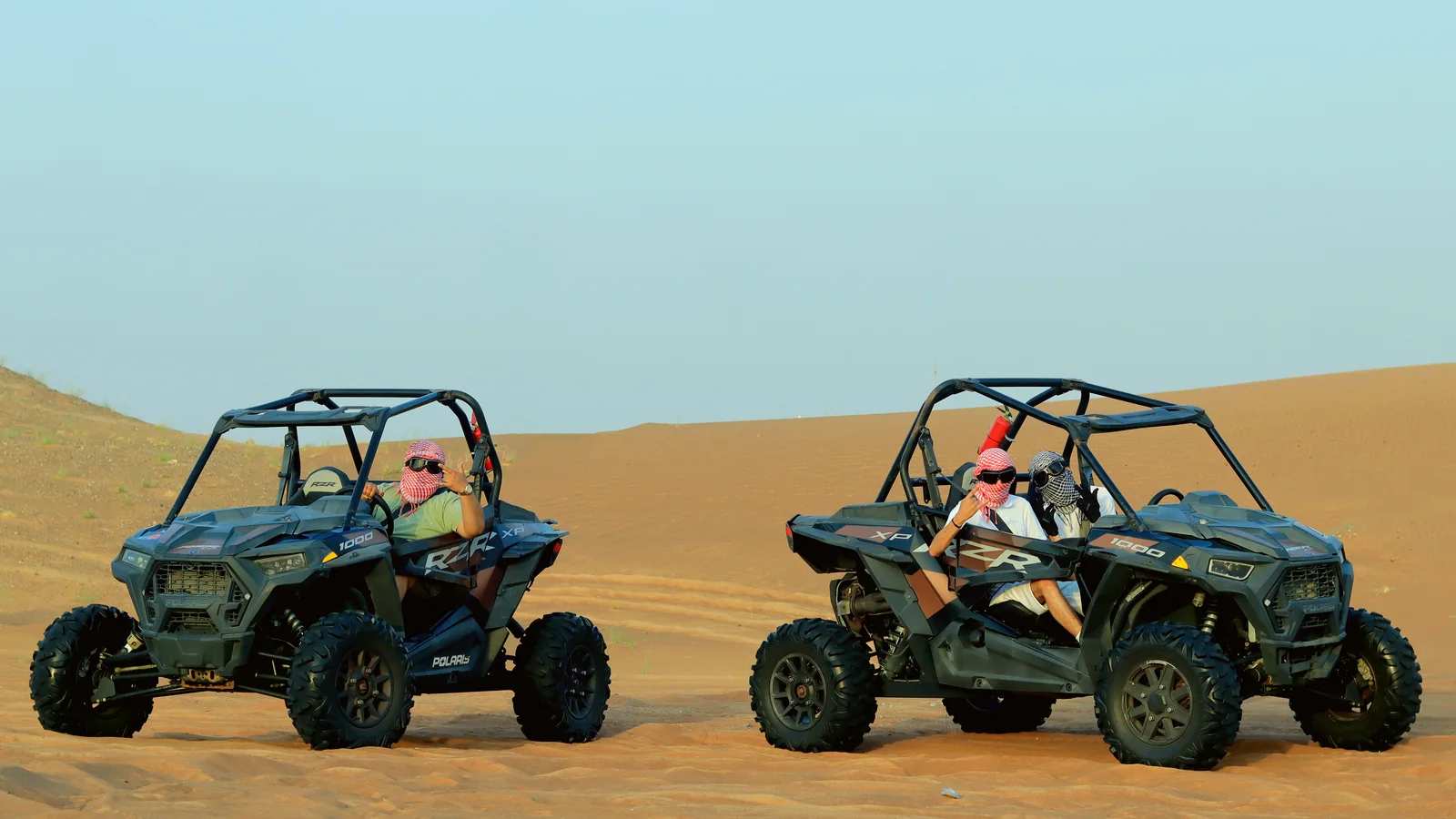
A small group means you get more attention from the guide and less dust from the buggy ahead. Large convoys can be frustrating because you spend as much time waiting for the group to regroup as you do driving. Find out the maximum number of buggies on the trip and how many guides accompany the group. A ratio of one guide per four or five buggies is reasonable. More than that, and the guide may struggle to keep everyone safe and engaged. If you are a beginner, a smaller group also means the guide can adjust the pace to your comfort level without leaving others bored.
Insurance and liability
Accidents happen, even on well-planned trips. Before you book, ask what insurance covers the vehicle and what your liability is in case of damage. Some operators include basic insurance in the price; others ask for a security deposit and charge for any damage you cause. Read the terms carefully. A reputable operator will explain the policy clearly and not bury fees in the fine print. If the operator is vague about insurance or refuses to put it in writing, consider that a warning sign.
What the price includes and excludes
Tour prices can look attractive until you realise that extras add up. Find out whether the price covers hotel pickup and drop-off, water, snacks, and any permits or park entry fees. Some operators charge extra for photography or video packages. Others require you to pay for fuel if you want extra driving time. A clear breakdown of what is included helps you compare trips fairly. It also prevents surprises at the end of the day.
Operator reputation and reviews
Online reviews can tell you a lot about what to expect, but read them with a critical eye. Look for consistent comments about vehicle quality, guide behaviour, and punctuality. A pattern of complaints about broken buggies or rude staff is worth taking seriously. That said, one or two negative reviews among dozens of positive ones are normal. Pay attention to how the operator responds to criticism. A thoughtful reply that addresses the issue shows a willingness to improve. A defensive or dismissive response suggests the opposite.
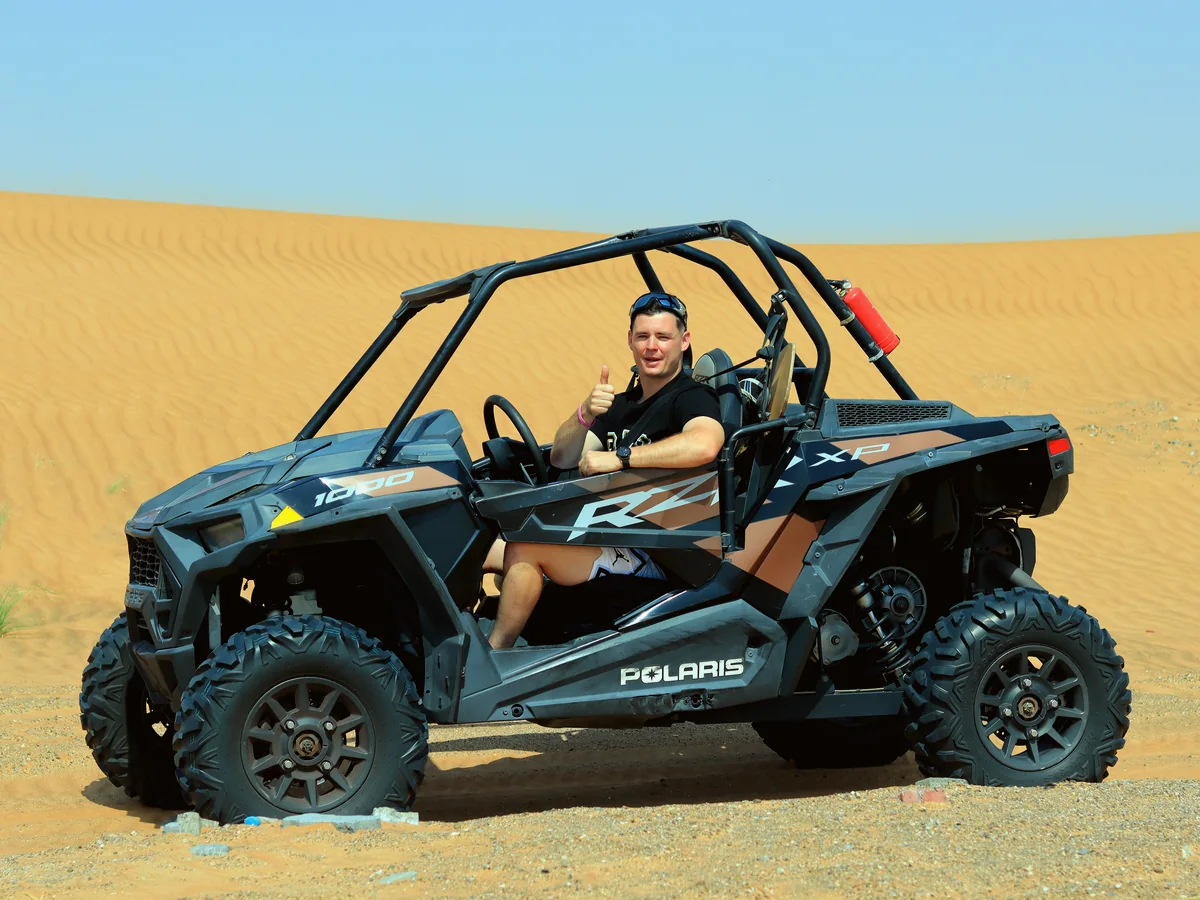
One operator worth noting in this space is Buggy Ride Dubai. They operate in the desert areas around Dubai and are a familiar name for those looking into a dune buggy outing. As with any provider, it is wise to verify their current offerings and policies directly. A quick visit to buggyridedubai.com will give you the latest details on their fleet, routes, and booking terms. Checking their site before you book is a practical step that takes only a few minutes and can answer many of the questions above.
Fitness and health considerations
Riding a buggy over dunes is physically more demanding than it looks. Your body absorbs shocks from bumps and sudden drops, and your arms work to steer through soft sand. If you have a back condition, neck issues, or are pregnant, the ride may be uncomfortable or even risky. Most operators ask you to sign a waiver that includes a health declaration. Be honest about your condition. If you are unsure, ask the operator whether the route includes particularly rough sections that could aggravate an injury. A good guide will offer alternatives or suggest a gentler route.
What to wear and bring
Closed-toe shoes are essential. Sandals or flip-flops will not protect your feet and may slip off the pedals. Long trousers and a light long-sleeved shirt protect your skin from the sun and from minor scrapes. Sunglasses under your goggles can help with glare, but make sure they fit comfortably under the helmet. Bring a scarf or a bandana to cover your mouth and nose if the dust gets thick. Water is usually provided, but carry your own bottle in case the trip runs long or the heat is intense. A small backpack with a hydration pack works well if the buggy has space for it.
Timing and season
Dubai's summer heat makes midday riding unpleasant and potentially dangerous. Most operators run trips early in the morning or late in the afternoon, even in winter. If you are booking during the hotter months, ask about the start time and whether the route includes shaded rest stops. Sunset tours are popular for a reason: the light is beautiful and the temperature is more bearable. But they also book up fast, so reserve well in advance if you want a specific time slot.
Finally, remember that the best preparation is knowing what you are signing up for. A few minutes of research before you book can save you from a disappointing or uncomfortable outing. Use the operator's website to verify details, read the fine print, and confirm that the experience matches your expectations. For a starting point, buggyridedubai.com has information that can help you decide whether their offering suits your needs. Take the time to check these points, and you will be set for a ride that is memorable for the right reasons.
 Facebook
 Instagram
 YouTube